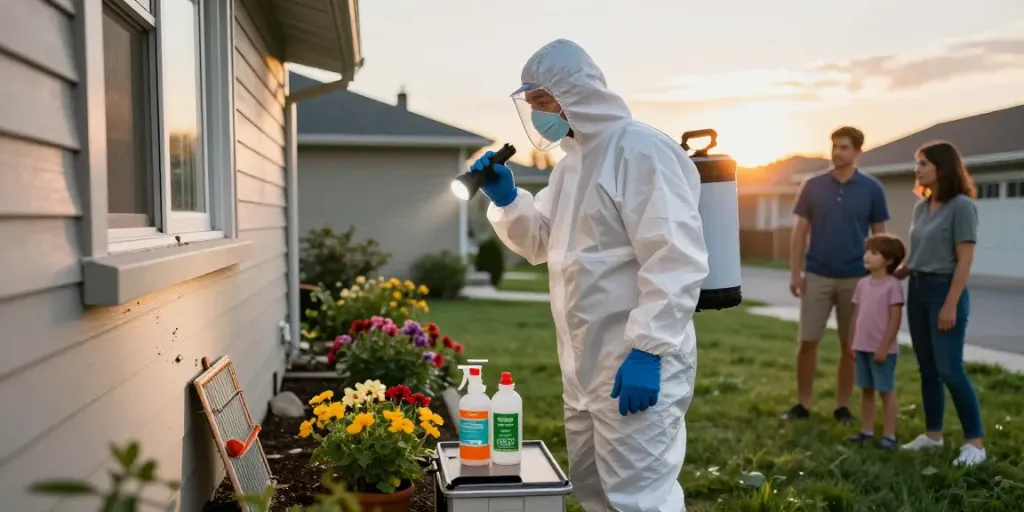
Understanding Pest Issues in Calgary
Calgary, known for its beautiful landscapes and vibrant culture, is not immune to pest problems. As urban development continues, the proximity between humans and pests increases, often leading to infestations that can disturb your home or business. Understanding these issues is essential for effective management and prevention, especially when it comes to Calgary pest control. This article will delve into the common pests found in Calgary, the signs of an infestation, and the associated health risks.
Common Pests Found in Calgary Homes
Calgary's diverse climate and geography create ideal conditions for various pests. Some of the most common pests include:
- Ants: Especially pavement and odorous house ants, which can invade homes searching for food.
- Rodents: Mice and rats often seek shelter indoors during Calgary's cold winters.
- Bed Bugs: A growing concern, they hitch rides on clothing and luggage, leading to infestations in homes and hotels.
- Cockroaches: Typically found in warm, humid areas and can reproduce rapidly once settled.
- Wasps: Common during the summer, they can become aggressive, especially when nesting near human activity.
Signs of a Pest Infestation
Recognizing the signs of a pest infestation early can save homeowners from costly damages and health risks. Key indicators include:
- Visible droppings or urine stains, which indicate the presence of rodents.
- Nests or burrows, typically found in secluded areas of the home.
- Gnawed materials or structural damages, particularly around food sources.
- Strange odors, especially from cockroaches and decay from dead pests.
- Increased sightings of pests during the day, suggesting a significant infestation.
Health Risks Associated with Pests
Pests are not just a nuisance; they can pose serious health risks to homeowners and their families. Common health concerns include:
- Allergies: Dust mites, cockroaches, and rodents can trigger allergic reactions or asthma attacks.
- Diseases: Pests like rodents and insects can transmit illnesses such as hantavirus, salmonella, and Lyme disease.
- Food Contamination: Pests can contaminate food supplies, leading to foodborne illnesses.
Effective Calgary Pest Control Solutions
Addressing pest issues requires a combination of effective control methods and preventative measures. Understanding the available solutions ensures that homeowners can make informed decisions about their pest control strategy.
Overview of Pest Control Methods
Pest control methods can be divided into three main categories: chemical, biological, and physical. Chemical methods utilize pesticides and insecticides to eliminate pests. Biological methods introduce natural predators to control pest populations, while physical methods focus on barriers and traps. Each approach has its pros and cons, and a combination of methods often yields the best results.
Choosing Eco-Friendly Pest Solutions
As awareness of environmental issues grows, many homeowners are seeking eco-friendly pest control solutions. These include:
- Botanical Pesticides: Derived from plants, these are less harmful to the environment and non-target species.
- Integrated Pest Management (IPM): A holistic approach that combines various pest control strategies tailored to the specific pest problem.
- Natural Deterrents: Essential oils and other natural substances can repel pests without harmful chemicals.
Benefits of Professional Pest Control Services
While DIY solutions can be effective, professional pest control services offer several advantages:
- Expertise in identifying and targeting specific pests.
- Access to professional-grade treatments that are more effective than consumer products.
- Comprehensive plans for ongoing pest management and prevention.
- Time savings and peace of mind, knowing the problem is in capable hands.
DIY Pest Control: Practical Strategies for Homeowners
For those who prefer a hands-on approach, DIY pest control can be an effective and cost-saving method. However, it's crucial to employ safe and effective strategies.
Safe and Effective Products for Home Use
When selecting products for DIY pest control, choose those that are safe for household use. Options include:
- Natural Sprays: Look for sprays made from plant extracts that are effective against various pests.
- Trap Systems: Sticky traps for insects and snap traps for rodents can be very effective.
- Granular Baits: These can deter ants and cockroaches when placed strategically in infested areas.
Preventative Measures for Pest Control
Prevention is often the best form of pest control. Homeowners can take several measures to make their properties less inviting to pests:
- Regularly seal cracks and gaps in the home’s exterior.
- Keep food stored in airtight containers and clean up spills immediately.
- Maintain landscaping by trimming shrubs and removing debris that could harbor pests.
- Ensure proper drainage around the home to avoid standing water that attracts mosquitoes.
Common Misconceptions About DIY Pest Control
Some common misconceptions can lead to ineffective DIY pest control methods. For example:
- Believing that all pest control products are equally effective; in reality, some are more suited for specific pests.
- Assuming that home remedies are always safe; some can be harmful or ineffective.
- Underestimating the importance of a comprehensive approach that includes both prevention and treatment.
When to Call a Professional Pest Control Service
There are times when DIY pest control measures are insufficient, and professional assistance is necessary. Recognizing these situations can help you avoid further complications.
Identifying Severe Infestations
If you notice signs of a severe infestation, such as multiple sightings of pests daily or substantial damages to your property, it's time to call for professional help. Early intervention can prevent more significant problems down the line.
Understanding Service Contracts and Warranties
When hiring a pest control company, it's essential to fully understand the service agreement. Look for clauses outlining:
- Types of treatments provided.
- Frequency and duration of service visits.
- Guarantees or warranties offered on pest control services.
Choosing the Right Pest Control Company in Calgary
When selecting a pest control company, consider factors such as:
- Reviews and testimonials from previous clients.
- Certifications and licenses of the company.
- Experience with the specific pests you are dealing with.
The Future of Pest Control in Calgary
The pest control industry is continually evolving, and Calgary is at the forefront of implementing new technologies and sustainable practices. Here are some emerging trends to watch.
Emerging Technologies in Pest Management
Technological advancements are reshaping the pest control landscape, including:
- Smart Traps: Using IoT (Internet of Things) technology to monitor and manage pest populations remotely.
- Drones: Utilizing drones for large-scale inspections and targeted pest treatments in hard-to-reach areas.
- Data Analytics: Using historical data to predict pest patterns and optimize pest control strategies.
Predictions for Pest Trends in 2026
As urbanization continues and climate change impacts Calgary, pest trends are likely to shift. Expect to see:
- An increase in the prevalence of pests like rodents and cockroaches in urban areas.
- Expanded use of organic and biodegradable pest control options.
- Heightened focus on public health pest management, particularly concerning vector-borne diseases.
Integrating Sustainable Practices in Pest Control
Sustainability is critical in pest control management moving forward. Companies are increasingly adopting practices that are less harmful to the environment, such as:
- Using fewer chemical treatments and more biological alternatives.
- Sharpening focus on preventive measures rather than reactive strategies.
- Engaging in community awareness programs on pest management and prevention.
How to Maintain a Pest-Free Home Long-Term
Long-term pest management requires ongoing vigilance. Homeowners should:
- Regularly inspect their property for signs of pests.
- Maintain cleanliness and hygiene in all areas.
- Consider seasonal pest control treatments, particularly in spring and fall.
FAQs on Calgary Pest Control
How much does pest control cost in Calgary?
The cost of pest control can vary widely depending on the type of pest, the severity of the infestation, and the treatments required. On average, homeowners can expect to pay between $100 to $300 for initial treatment, with follow-up visits costing less.
What is the hardest pest to get rid of?
Many homeowners find that bed bugs and termites pose significant challenges due to their biology and behavior. Bed bugs reproduce quickly and can hide in various places, while termites can cause hidden damage to structures before they are detected.
Is pest control necessary in Calgary?
Yes, pest control is essential, especially in urban areas where pest populations can thrive. Regular pest control measures help protect your home from damage and mitigate health risks associated with pest infestations.
Calgary pest control reviews?
When researching pest control companies, reading reviews on platforms such as Trustpilot, Better Business Bureau, or local forums can provide valuable insights into customer experiences and company reliability.
Tips for choosing a pest control service?
Look for companies with good local reputations, experienced technicians, transparent pricing, and a willingness to answer questions and provide detailed service plans. Additionally, ensure that they use methods that align with your values, particularly regarding chemical use and environmental impact.