Understanding the Role of a Commercial Steel Company
In the construction industry, the role of a commercial steel company is pivotal. These companies specialize in the fabrication and installation of steel structures, ensuring that various projects meet structural integrity and design specifications. Whether you're constructing a high-rise building or a new warehouse, these companies provide essential services that underpin both functionality and aesthetics. When exploring options, commercial steel company offers comprehensive insights into the industry and its services.
What is a Commercial Steel Company?
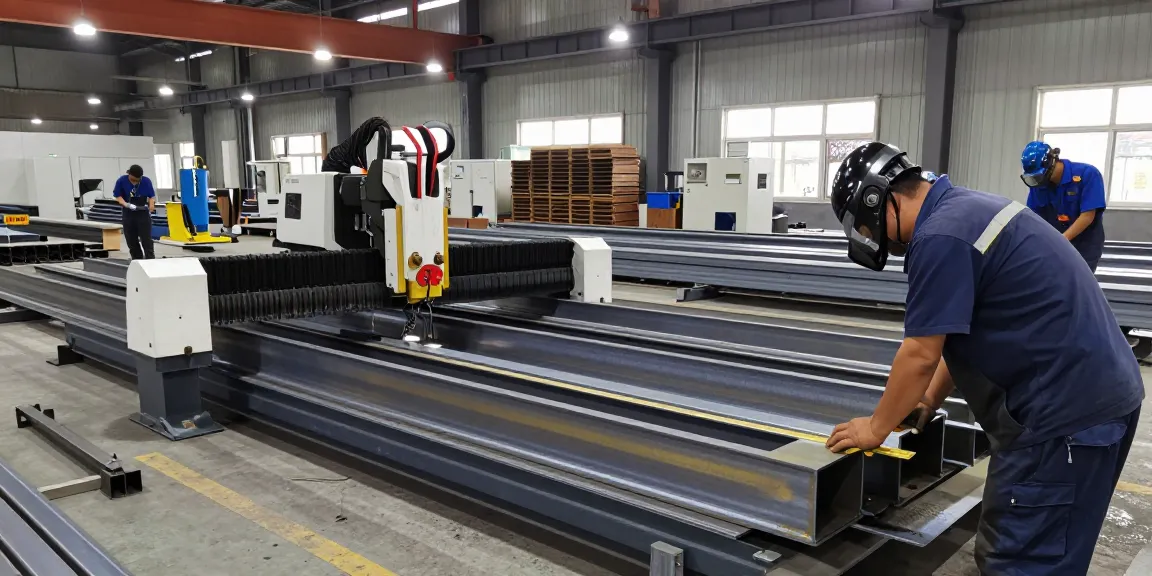
A commercial steel company primarily focuses on the development, production, and assembly of steel materials used in various structures. They cater to a wide range of sectors, including residential, commercial, and industrial projects. These companies typically engage in activities such as steel fabrication, welding, metalworking, and the erection of structural frameworks. Their expertise allows for the creation of materials that meet the unique demands of each project, ensuring durability and compliance with safety standards.
Services Offered by Leading Steel Companies
Leading commercial steel companies provide a variety of services to accommodate the diverse needs of their clients. Some of the typical services include:
- Steel Structure Fabrication: Precision fabrication of steel components tailored to project specifications.
- Custom Metalwork: Unique designs and metal pieces that enhance architectural aesthetics.
- Structural Engineering: Expertise in designing robust steel structures capable of withstanding various loads.
- Installation Services: Professional installation teams that ensure precise execution and adherence to timelines.
- Project Management: Comprehensive oversight of steel projects to guarantee efficiency and budget compliance.
Importance of Innovation in Steel Fabrication
Innovation in steel fabrication is vital for advancing the construction industry. With the integration of modern technology and sustainable practices, commercial steel companies are now capable of producing more efficient, durable, and environmentally friendly products. This includes the use of advanced fabrication techniques, such as 3D modeling, which enhances accuracy and reduces waste. Additionally, the shift towards green steel—produced with lower carbon footprints—addresses both regulatory demands and consumer preferences for sustainable building practices.
Choosing the Right Commercial Steel Company for Your Project
Selecting the right commercial steel company is crucial for the success of any construction project. An informed decision can significantly influence project outcomes, including quality, cost, and timelines.
Key Factors to Consider When Selecting a Steel Fabricator
When assessing potential steel fabricators, consider several key factors:
- Industry Experience: Look for companies with a proven track record in similar projects.
- Portfolio of Past Work: Review their previous projects to gauge the quality and style of their work.
- Client Testimonials: Feedback from former clients can provide insights into reliability and customer service.
- Certifications and Safety Standards: Ensure the company complies with industry regulations and has proper certifications.
- Innovative Capabilities: Evaluate their ability to incorporate new technologies and sustainable practices into their work.
Understanding Client Testimonials and Case Studies
Client testimonials and case studies are invaluable resources for evaluating a steel company’s credibility. Testimonials provide firsthand accounts of clients' experiences, highlighting strengths and potential weaknesses. Case studies often detail specific projects, showcasing the company’s approach to solving challenges, meeting timelines, and delivering results. By reviewing these materials, prospective clients can gain a deeper understanding of how a company operates and the quality of its deliverables.
Evaluating Expertise and Industry Experience
Expertise in the steel fabrication industry is not just about the years in business but also encompasses the breadth of projects undertaken and technological advancements embraced. Companies that demonstrate a commitment to continuous education and innovation usually outperform competitors. Additionally, industry certifications and memberships in professional organizations can serve as indicators of a company’s dedication to maintaining high standards.
Common Challenges in Steel Structure Projects
While steel structures offer numerous benefits, various challenges can arise during the design and construction phases. Being aware of these potential pitfalls can help in planning and execution.
Addressing Structural Integrity and Compliance Issues
One of the foremost challenges in steel structure projects is ensuring structural integrity and compliance with local building codes. Engineers and fabricators must collaborate closely to develop structures that not only meet aesthetic requirements but also adhere to safety standards. Regular inspections and adherence to best practices in material selection and construction techniques are essential to mitigate risks associated with structural failures.
Managing Time and Budget Constraints
Time and budget management are critical components of any construction project. Delays in steel fabrication or unforeseen expenses can derail timelines and inflate project costs. Effective communication between all stakeholders, including contractors and fabricators, is vital to keeping projects on track. Implementing robust project management practices and leveraging technology can assist in minimizing these risks.
Overcoming Supply Chain Disruptions in Steel Sourcing
In an increasingly interconnected global economy, supply chain disruptions can pose significant risks to construction projects. Fluctuating steel prices, delays in deliveries, or shortages of specific materials can impact project timelines and budgets. Establishing strong relationships with suppliers and diversifying sources can provide companies with greater resilience against such disruptions.
Innovative Trends in Commercial Steel Fabrication for 2026
As the construction industry evolves, several innovative trends are emerging in commercial steel fabrication, shaping the future of building design and engineering.
Embracing Sustainable Practices in Steel Production
With rising environmental concerns, more steel companies are adopting sustainable practices in their production processes. This includes utilizing recycled materials, reducing energy consumption during production, and implementing waste reduction strategies. By aligning with sustainability goals, companies can improve their market competitiveness while appealing to environmentally conscious clients.
Utilizing Advanced Technology in Fabrication Processes
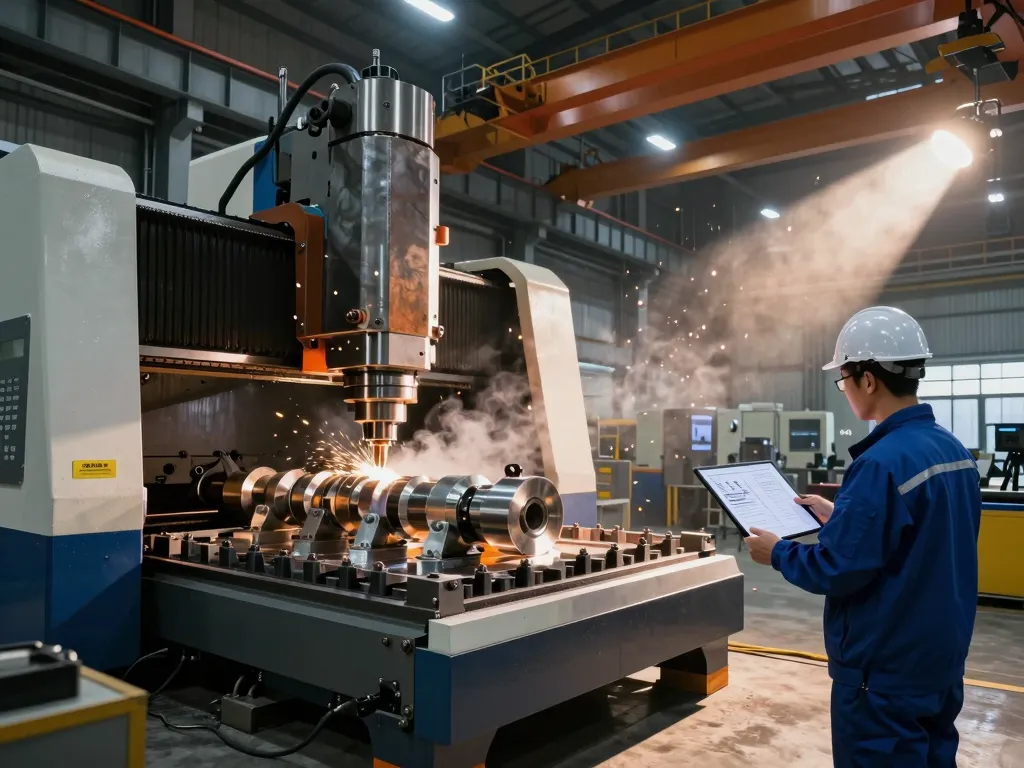
The incorporation of advanced technologies, such as automation and robotics, is transforming steel fabrication. These technologies enhance precision, reduce labor costs, and improve safety on job sites. Additionally, software tools that allow for digital modeling can streamline design processes, facilitate collaboration, and reduce errors during production.
Designing for Flexibility in Modern Structures
Modern architectural designs often call for flexibility and adaptability. Steel structures are uniquely suited for this trend due to their strength and lightweight nature. As architects and designers continue to push creative boundaries, commercial steel companies must be prepared to innovate and find solutions that allow for dynamic building configurations.
Frequently Asked Questions About Commercial Steel Companies
What should I look for in a commercial steel company?
When selecting a commercial steel company, consider their experience, quality of past work, client testimonials, and ability to meet deadlines. It is also crucial to inquire about their safety practices and policies.
How do commercial steel companies ensure quality in their projects?
These companies often have stringent quality control processes, including regular inspections, adherence to industry standards, and the use of certified materials. Additionally, they may employ experienced project managers who oversee quality assurance throughout the project lifecycle.
What are the advantages of using custom steel solutions?
Custom steel solutions allow for tailored designs that meet specific project requirements, ensuring unique aesthetics and enhanced functionality. This can lead to improved project satisfaction and potentially lower overall costs through efficient design.
How can I get a quote for my steel project?
To obtain a quote for your steel project, it is best to contact a commercial steel company directly, providing details about your project scope, specifications, and deadlines. Most companies offer free consultations to discuss your needs and provide estimates.
What trends should I watch for in the steel industry in 2026?
In 2026, trends to watch include the continued emphasis on sustainability, the rise of digital technologies in fabrication processes, and the demand for flexible designs. Keeping abreast of these trends can aid stakeholders in making informed decisions for future projects.