Understanding the Importance of Veterans For Healing
Healing is a fundamental aspect of the journey for veterans returning from service. The transition from military life to civilian life can be filled with challenges and emotional turmoil. For many veterans, the path to recovery involves not just personal introspection but also the support of a broader community. Programs like Veterans For Healing play a pivotal role in this transition, offering structured support systems to help veterans navigate their unique struggles. By understanding the critical nature of healing for veterans, we can better appreciate the frameworks needed to support them effectively.
Why Healing is Critical for Veterans?
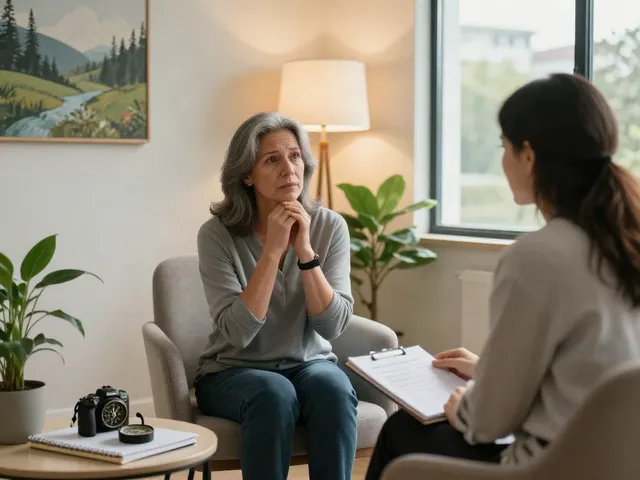
The importance of healing for veterans cannot be overstated. Many veterans encounter a variety of mental health challenges such as PTSD, depression, and anxiety after returning from combat. These issues not only affect their emotional well-being but also their ability to reintegrate into civilian society. Healing is critical because it fosters resilience, encourages personal growth, and allows veterans to reclaim their lives.
Furthermore, veterans may struggle with feelings of isolation after leaving the military. The camaraderie experienced during service is often difficult to replicate in civilian life, making healing even more essential. Supportive programs that facilitate healing offer veterans a sense of belonging and a platform to rebuild their social networks.
Key Challenges Faced by Veterans
Veterans face a myriad of challenges upon their return home. Some of the most prevalent issues include:
- Access to Healthcare: Many veterans encounter difficulties navigating the healthcare system, which can lead to inadequate treatment for physical and mental health issues.
- Employment Opportunities: Transitioning to the civilian workforce can be challenging. Veterans may struggle to find jobs that utilize their skills and experience.
- Social Isolation: The loss of a close-knit community can lead to loneliness and feelings of alienation.
- Family Dynamics: Veterans may experience tensions in their family relationships due to the changes in their personal circumstances post-service.
The Impact of Community Support on Healing
Community support plays a pivotal role in the healing process for veterans. Engaging with peers who understand their experiences can significantly mitigate feelings of isolation. Support groups, healing circles, and community events allow veterans to share their stories and access resources tailored to their unique journey. This connection not only fosters emotional healing but also empowers veterans to take an active role in their recovery.
Best Practices in Initiating Healing Circles
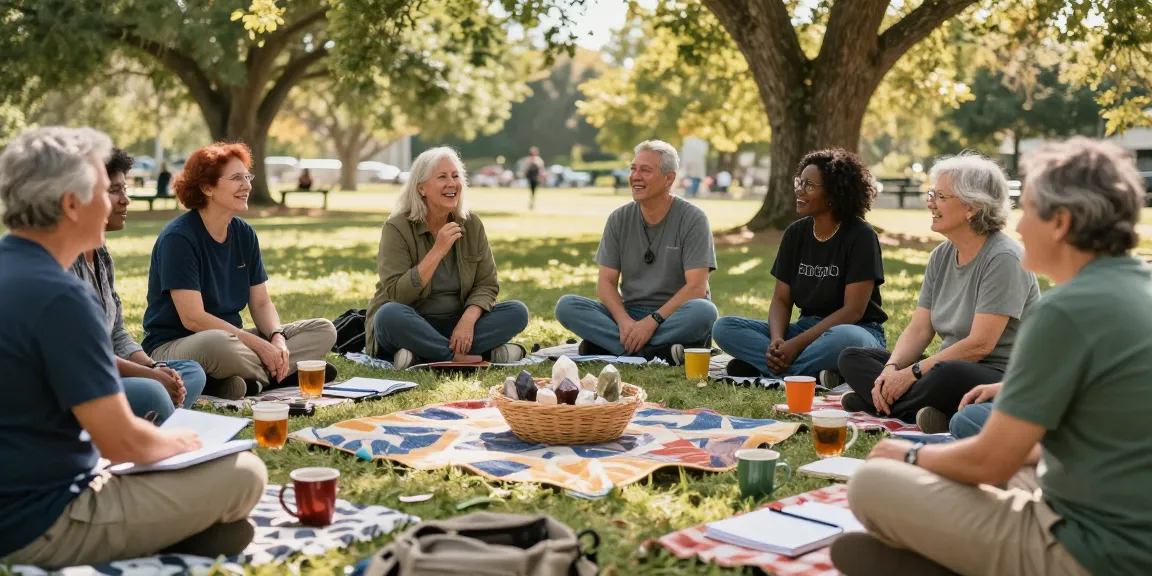
Establishing a healing circle is a valuable practice that can greatly benefit veterans. These circles create a safe and supportive environment for participants to share their experiences and feelings. Here are some best practices for initiating effective healing circles:
Step-by-Step Guide to Organizing Healing Circles
1. Identify the Purpose: Define the goals of the healing circle, whether they focus on emotional support, shared experiences, or specific issues like PTSD.
2. Choose a Facilitator: Select an experienced facilitator, preferably someone trained in trauma-informed care, to guide discussions and ensure a safe space.
3. Establish Ground Rules: It's crucial to set clear guidelines for confidentiality and respect to create a space where participants feel safe sharing their personal experiences.
4. Promote the Circle: Utilize local veteran organizations, social media, and community boards to attract participants who may benefit from the circle.
Creating Safe Spaces for Open Dialogues
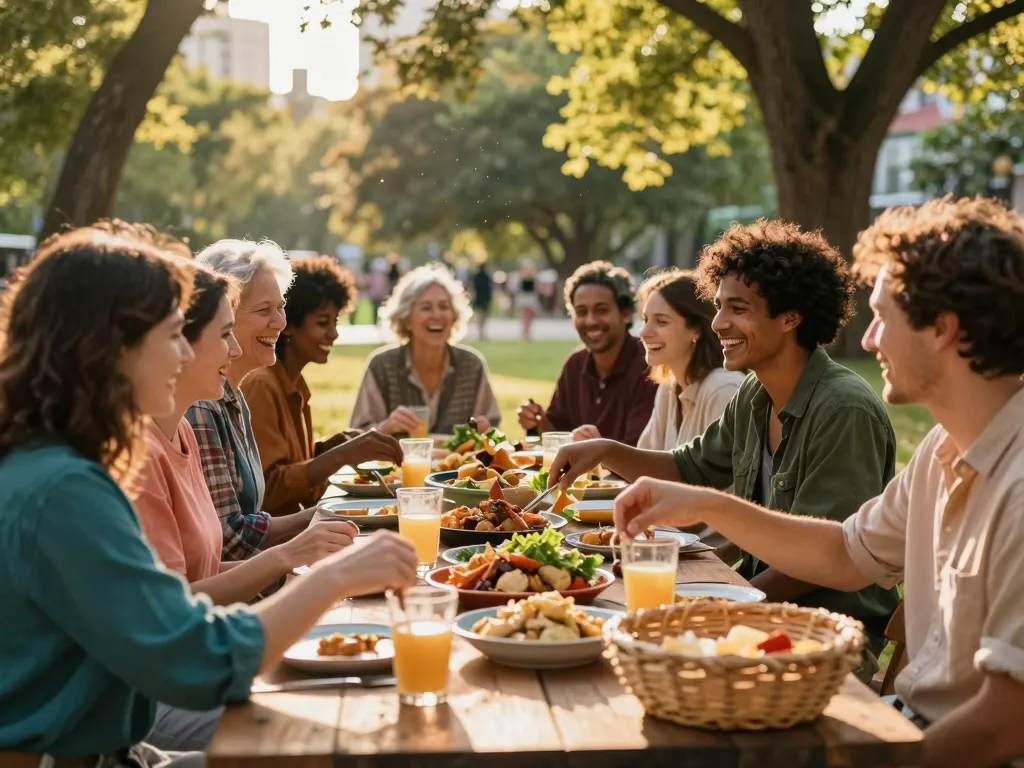
Safety is paramount when creating an environment conducive to healing. Ensure that the location is comfortable and accessible. Providing amenities like refreshments can also promote a welcoming atmosphere. Encourage participants to express themselves freely without fear of judgment.
Incorporating Therapeutic Activities in Healing Sessions
Integrating therapeutic activities such as art therapy, meditation, and mindfulness exercises can enhance the healing process. These practices allow veterans to explore their feelings more deeply and find constructive ways to cope with their challenges. Regularly varying the types of activities offered can also keep participants engaged.
Real-World Success Stories: Veterans For Healing in Action
The practical application of healing circles has led to transformative outcomes for many veterans. Here, we explore some real-world success stories that illustrate the profound impact of these healing initiatives.
Case Study: Transformative Healing Circles
A healing circle held in a community center in a major city highlighted its effectiveness when 15 veterans participated. Facilitated by trained professionals, the circle allowed participants to explore their stories and feelings surrounding their military experiences. Feedback from the participants indicated a significant reduction in feelings of isolation and an improved sense of community.
Lessons Learned from Successful Veteran Support Groups
Support groups that have seen success emphasize the importance of regular meetings and follow-up. Consistency helps cultivate trust and allows relationships to develop over time. Additionally, incorporating feedback from participants on what aspects of the group they find most beneficial can lead to even better outcomes.
How Sharing Experiences Accelerates Healing
One of the most significant benefits of healing circles is the power of shared experiences. Veterans often feel that their struggles are unique, but hearing common challenges from others can foster a sense of understanding and solidarity. Sharing stories can break down barriers and lead to profound realizations about the healing journey.
Practical Techniques for Individual Healing Journeys
While community support is vital, individual healing techniques also play an essential role. Veterans can explore various approaches to enhance their personal healing journeys, focusing on holistic wellness.
Meditation and Mindfulness for Veterans
Meditation and mindfulness practices have shown remarkable benefits for mental health. These techniques help veterans manage stress and anxiety by fostering present-moment awareness. Simple mindfulness exercises, such as focusing on breath or guided imagery, can be integrated into daily routines.
Utilizing Nature as Healing Therapy
Nature has a profound healing effect. Engaging in outdoor activities like hiking, gardening, or simply spending time in green spaces has been linked to reduced stress levels and improved mental well-being. Veterans can benefit significantly from nature therapy as a complement to traditional therapeutic methods.
Building a Personal Wellness Plan
Creating a personal wellness plan allows veterans to take charge of their healing journey. This plan should encompass physical, emotional, and mental health strategies tailored to individual needs. Setting realistic goals and regularly assessing one’s progress can significantly enhance the sense of empowerment during recovery.
Future Trends in Veteran Healing Practices for 2026 and Beyond
As we look ahead to the future of veteran healing practices, several emerging trends are worth noting. These innovative approaches promise to revolutionize how support is delivered to veterans.
Innovative Approaches to Community Healing
Future community healing initiatives are likely to incorporate more inclusive programming that reflects the diverse backgrounds of veterans. This may include culturally specific healing practices or integrating family members into healing efforts to create a more holistic support system.
Incorporating Technology in Support Systems
The integration of technology, such as telehealth and mobile apps for mental health support, will likely increase accessibility for veterans. These platforms can provide remote therapy options and community forums, allowing veterans to connect without geographical limitations.
Emerging Research on Healing for Veterans
New research continually broadens our understanding of effective healing modalities. Studies exploring the impact of equine therapy, art therapy, and virtual reality exposure therapy are making strides in offering innovative solutions for veterans struggling with trauma and mental health challenges.
What Are the New Modalities for Healing?
The future of healing for veterans may see a rise in modalities focused on integrative health approaches, including acupuncture, massage therapy, and nutritional counseling. These modalities can complement traditional mental health treatments, providing veterans with more comprehensive care options.
How to Stay Informed on Latest Trends?
Veterans interested in staying updated on the latest trends in healing practices should consider subscribing to relevant newsletters, following organizations focused on veteran support, or participating in local workshops. Engaging with ongoing education opportunities can equip veterans with the tools they need to thrive in their recovery journey.