Understanding the Unique Needs of Veterans For Healing
Veterans face a myriad of challenges upon their return to civilian life, from mental health issues like PTSD to difficulties in finding appropriate healthcare and support. The transition can be daunting, and an understanding of their unique needs is imperative to facilitate their healing journey. Organizations such as Veterans For Healing play a crucial role in this process, offering tailored support to help veterans navigate the complexities of post-service life.
What Challenges Do Veterans Face After Service?
Upon returning from service, many veterans encounter significant hurdles. Common challenges include:
- Mental Health Issues: Conditions like PTSD, depression, and anxiety are prevalent among veterans. The trauma experienced during service often requires comprehensive therapeutic interventions.
- Social Isolation: Veterans may feel disconnected from their communities, leading to feelings of loneliness and isolation. The transition from military camaraderie to civilian life can create a void.
- Employment Difficulties: Finding meaningful employment can be challenging, especially for veterans who may struggle to translate their military skills into civilian job qualifications.
- Healthcare Barriers: Accessing veterans' healthcare can be complicated. Navigating the VA system and understanding available benefits are often daunting tasks.
Common Misconceptions About Veteran Mental Health
Misinformation about veterans and their mental health is widespread, which can hinder their recovery. Some common misconceptions include:
- All veterans suffer from PTSD – While many do, it is essential to recognize that not all veterans experience this condition.
- Seeking help is a sign of weakness – This stigma can prevent veterans from accessing necessary support, impacting their mental well-being.
- Veterans prefer not to discuss their experiences – Many veterans are willing to share their stories but may need the right environment to feel safe to do so.
The Importance of Tailored Support Services
Recognizing and addressing the unique challenges faced by veterans is vital. Tailored support services that consider individual backgrounds, experiences, and needs are essential in aiding their recovery journey. Programs designed with these factors in mind can foster resilience, emotional healing, and a sense of belonging among veterans.
Effective Strategies for Healing and Recovery
Implementing effective strategies for healing is crucial for veterans striving to reclaim their lives post-service. The following strategies have been shown to produce positive outcomes.
Innovative Therapy Approaches for Veterans
Therapies designed for veterans are increasingly adopting innovative approaches, such as:
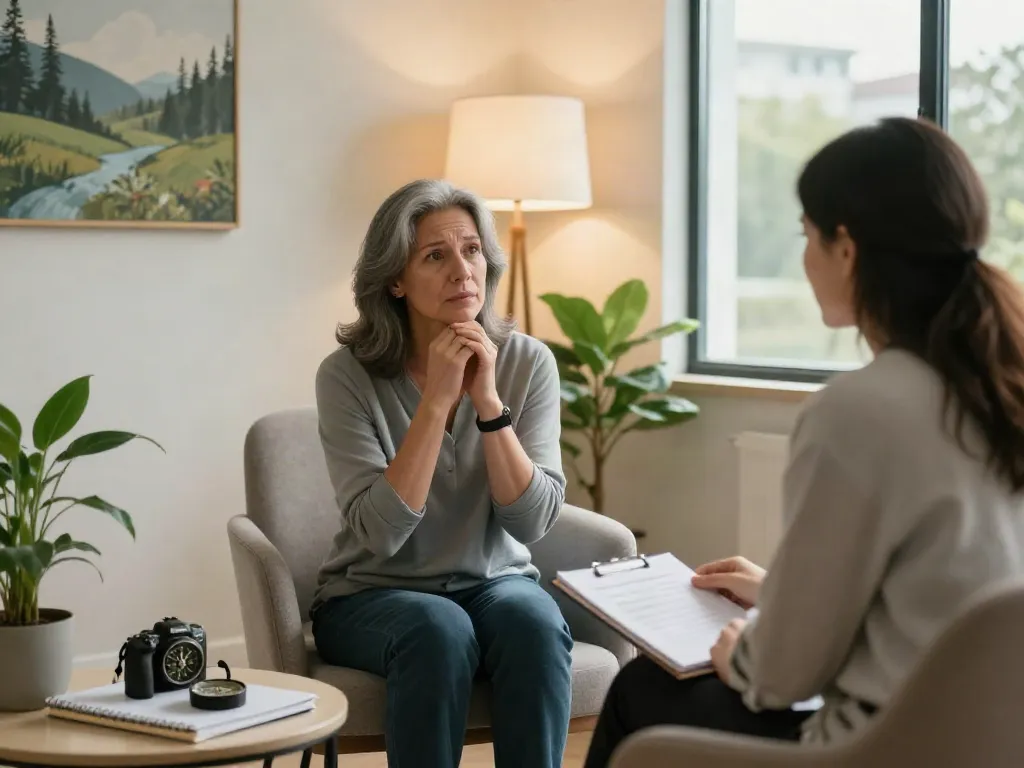
- Trauma-Informed Care: This approach focuses on understanding and addressing trauma's impact on mental health while emphasizing safety and empowerment.
- Mindfulness and Meditation: Techniques that promote mindfulness can reduce anxiety and encourage veterans to live in the moment, which is particularly beneficial for those struggling with intrusive memories.
- Art and Music Therapy: Creative therapies allow veterans to express their feelings and process trauma in a non-verbal way, which can be incredibly powerful for those who find traditional talk therapy challenging.
Group Support Systems and Their Benefits
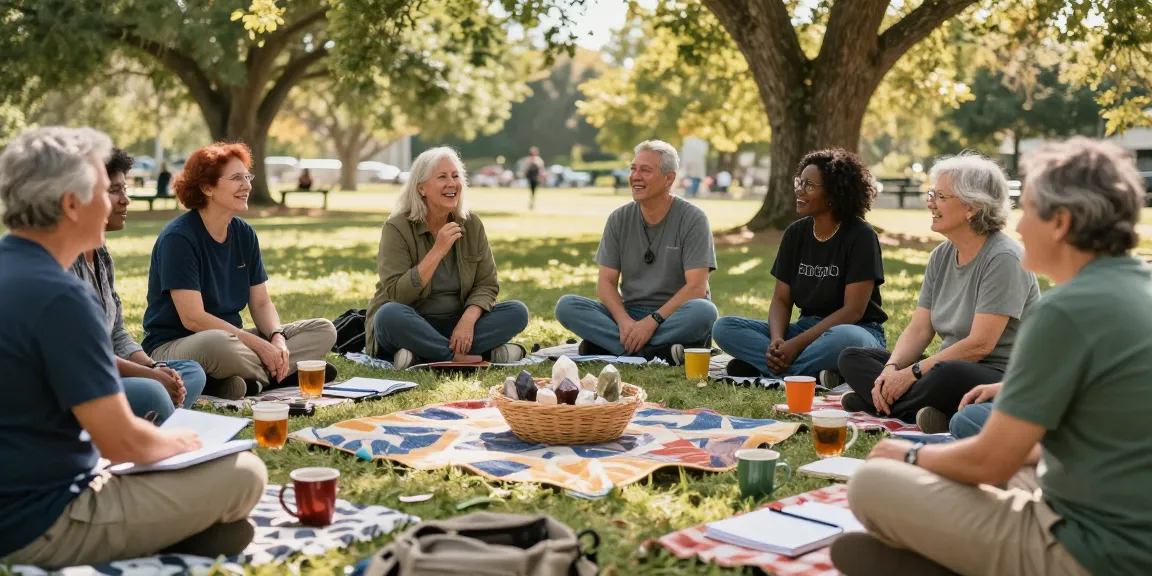
Group support systems provide veterans with a unique opportunity to share their experiences and connect with others facing similar struggles. The benefits of such systems include:
- Peer Support: Veterans can offer insights and encouragement based on shared experiences, creating a sense of camaraderie.
- Social Connection: Group settings lessen feelings of isolation and foster community, which is essential for mental health recovery.
- Shared Resources: Members often exchange information about resources, services, and programs that have been helpful in their recovery.
Integrating Family Support in Healing Processes
Family involvement is critical in the healing process. Encouraging family members to participate in therapy and support groups can enhance communication and understanding. Supported initiatives can facilitate healing by:
- Educating Families: Informing family members about veterans' mental health issues can foster understanding and empathy.
- Building Stronger Relationships: Joint therapeutic sessions can help address underlying issues in family dynamics, leading to improved stability.
- Creating a Supportive Environment: Families play a vital role in nurturing a safe and welcoming home environment that can significantly aid recovery.
Accessing Resources with Veterans For Healing
Access to resources is vital for veterans looking to improve their mental health and overall well-being. Understanding available options and knowing how to navigate them can make all the difference.
How to Navigate Healthcare Options
Navigating the complex healthcare landscape can be daunting for veterans. Here are several steps to simplify this process:
- Research Available Services: Understanding what services are offered through organizations like Veterans For Healing can provide clarity on the best path for individual needs.
- Connect with Case Managers: Case managers are invaluable in helping veterans explore their healthcare options and access the appropriate services.
- Utilize Veteran Hotlines: Veteran hotlines can steer individuals toward critical resources and provide immediate support.
Networking with Veteran Support Organizations
Networking with various veteran support organizations is an excellent way to access resources and connect with other veterans. By engaging with multiple groups, veterans can discover:
- Local Support Groups: Many communities have veteran support groups that offer a sense of belonging and understanding.
- Workshops and Training Programs: Organizations often provide workshops focused on re-employment skills, mental health management, and community reintegration.
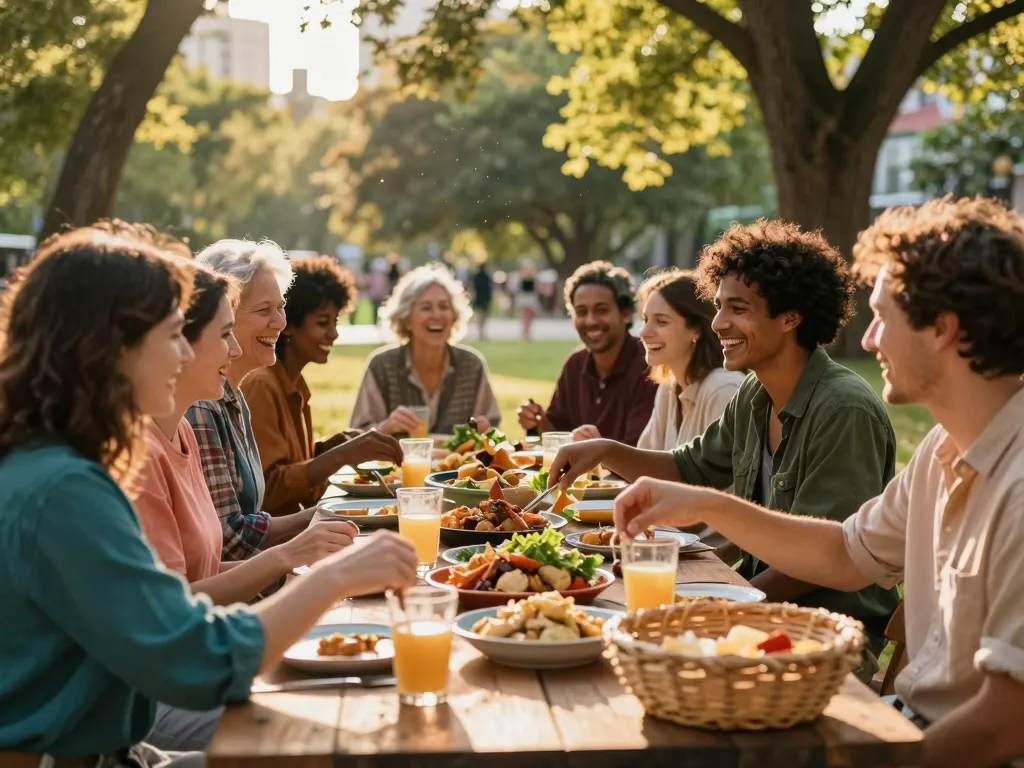
- Social Activities: Participating in social events can aid connection and foster a supportive network among veterans.
Utilizing Online Platforms for Mental Health Support
The digital landscape offers numerous online platforms aimed at supporting veterans in their mental health journey. Utilizing these platforms can provide additional resources, including:
- Teletherapy Services: Online therapy sessions can make accessing mental health care more convenient and less intimidating.
- Forum and Community Groups: Online communities enable veterans to share their experiences and connect without geographical limitations.
- Educational Resources: Many organizations offer webinars and online courses focused on mental health management and coping strategies.
Real-World Success Stories in Veteran Recovery
Illustrating the impact of supportive services through success stories emphasizes the transformative potential of healing initiatives for veterans.
Case Studies of Transformational Healing
Certain success stories exemplify how tailored approaches and community support can yield remarkable results. For instance, a veteran struggling with PTSD found solace in a combined program involving art therapy and group sessions, leading to improved mental health and re-establishment of family relationships.
Personal Testimonials from Veterans
Personal accounts often provide deep insights into the healing process. One veteran shared how the support from Veterans For Healing allowed them to regain confidence and re-enter the workforce, stating, "I didn’t believe I could heal, but now I’m thriving."
Lessons Learned from Collaborative Healing Initiatives
Collaboration between organizations and communities often leads to innovative support systems that work effectively. Feedback loops and shared experiences help refine these initiatives, ensuring they remain relevant and effective for the veteran population.
Future Trends in Support for Veterans For Healing
Looking ahead, the landscape of veteran support is likely to evolve, incorporating new research and technologies that will improve accessibility and effectiveness of services.
Emerging Research on Veteran Mental Health
As mental health research progresses, new findings inform the development of effective treatment modalities tailored for veterans. Understanding the neurobiological implications of stress in veterans is essential for creating programs that address these specific needs.
Technological Innovations Improving Accessibility
Technology is revolutionizing the way mental health services are offered. Innovations such as virtual reality exposure therapy for PTSD are gaining traction, providing alternative avenues for treatment that were previously inaccessible.
Predictions for Veteran Wellness Services in 2026
By 2026, it is anticipated that veteran wellness services will become increasingly integrated into community health initiatives. This holistic approach will likely encompass mental health resources, employment assistance, and social reintegration programs that address the diverse needs of veterans.
What types of support are available for veterans?
Veterans can access a range of support services, including mental health counseling, employment training, peer support groups, and healthcare services specifically tailored for veterans.
How can families assist in the healing journey?
Families can support veterans by engaging in therapy together, fostering open communication, and creating a nurturing environment that prioritizes mental health.
What role does community play in veteran recovery?
The community plays a critical role in recovery by providing support, resources, and a sense of belonging, which are essential for overcoming feelings of isolation.
Are there specific therapies recommended for PTSD?
Commonly recommended therapies for PTSD include cognitive behavioral therapy (CBT), eye movement desensitization and reprocessing (EMDR), and exposure therapy, each tailored to suit individual needs.
How can veterans find trusted resources?
Veterans can find trusted resources by reaching out to veteran organizations, utilizing online platforms, and consulting healthcare providers experienced in veteran care.