Understanding Metal Roofing in Mississauga
Metal roofing has gained popularity among homeowners in Mississauga due to its durability, aesthetic appeal, and energy efficiency. With the rapid advancement in technology and materials, the market for metal roofing mississauga has seen significant growth and innovation. This article will provide a comprehensive overview of metal roofing, including its benefits, materials, installation processes, maintenance, and future trends.
What is Metal Roofing?
Metal roofing refers to roofing systems made from various metals, including steel, aluminum, copper, and tin. These roofs can come in the form of panels, shingles, or tiles, offering a wide range of designs to suit different architectural styles. The primary materials used in metal roofing are galvanized steel, aluminum, metal tiles, and copper, each known for their unique properties and aesthetics. Metal roofing is engineered to withstand extreme weather conditions, making it an ideal choice for homeowners concerned about durability and longevity.
Benefits of Metal Roofing for Homeowners
Homeowners in Mississauga are increasingly turning to metal roofing for several key reasons:
- Longevity: Metal roofs can last 40 to 70 years or more, significantly outpacing traditional asphalt shingles, which typically last 15 to 20 years.
- Energy Efficiency: Metal roofing reflects solar radiant heat, which can reduce cooling costs by 10-25% during hot summers.
- Environmental Sustainability: Many metal roofs are made from recycled materials and are 100% recyclable at the end of their life, contributing to eco-friendliness.
- Resistance to Weather: Metal roofs are resilient against extreme weather conditions, including heavy rain, snow, and high winds.
- Low Maintenance: Metal roofs require minimal maintenance compared to other roofing materials, thus saving homeowners time and money.
Why Choose Metal Roofing in Mississauga?
Mississauga experiences a diverse climate, from hot summers to snowy winters. Metal roofing is particularly well-suited to this range of weather conditions due to its durability and ability to shed snow quickly, reducing the risk of ice damming. Furthermore, as energy costs rise, the energy efficiency of metal roofing provides a proactive solution for homeowners looking to lower their utility bills while enhancing the comfort of their homes.
Choosing the Right Metal Roofing Material
Types of Metal Roofing Options Available
There are several metal roofing options available in Mississauga, each with distinct advantages:
- Steel Roofing: Known for its strength and affordability, steel is the most common metal roofing material.
- Aluminum Roofing: Lightweight and resistant to corrosion, aluminum is ideal for coastal areas where salt exposure is significant.
- Copper Roofing: Known for its beauty and longevity, copper develops a lovely patina over time but comes at a higher cost.
- Zinc Roofing: Similar to copper, zinc is durable, self-healing, and has low maintenance requirements.
Factors to Consider in Material Selection
When selecting the right metal roofing material, consider the following factors:
- Budget: Different materials have varying costs. Steel is often the most budget-friendly option, while copper and zinc tend to be on the pricier side.
- Aesthetic Appeal: The choice of color and finish can impact your home's exterior appearance and resale value.
- Climate Considerations: Some materials perform better in specific climates—aluminum, for example, is better for coastal areas.
- Weight: Ensure your home's structure can support the weight of the chosen roofing material, especially for thicker options.
Cost Analysis of Metal Roofing Materials
The cost of metal roofing varies significantly based on material type, gauge, and installation complexity. Below is a rough outline of estimated costs:
- Steel Roofing: $3.50 - $6.00 per square foot.
- Aluminum Roofing: $6.00 - $9.00 per square foot.
- Copper Roofing: $15.00 - $25.00 per square foot.
- Zinc Roofing: $10.00 - $15.00 per square foot.
While initial costs may be higher than traditional roofing, the long-term savings in maintenance and energy efficiency can offset the investment.
Installation Process for Metal Roofing
Step-by-Step Guide to Installing Metal Roofing
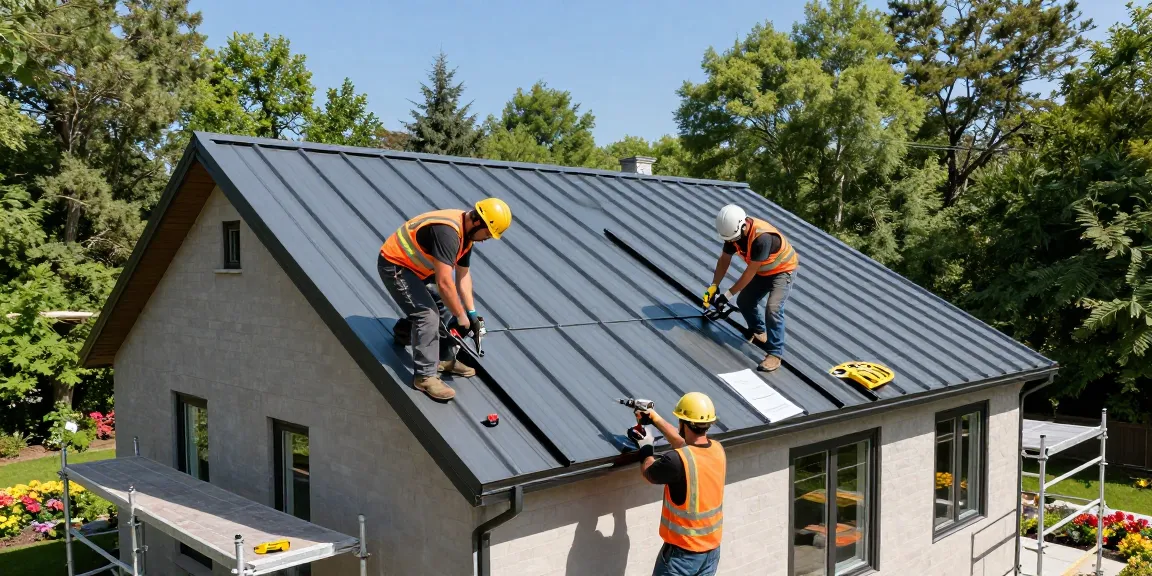
The installation process for metal roofing involves several critical steps to ensure a firm, weather-resistant fit:
- Preparation: Remove old roofing materials and inspect the roof structure for any necessary repairs.
- Underlayment Installation: Lay down a waterproof underlayment to protect against moisture.
- Furring Strips: Install furring strips to create a secure base for the metal panels.
- Panel Installation: Begin installing metal panels from the bottom and work your way up, ensuring proper overlap.
- Finishing Touches: Add flashing, trim, and other finishing materials to create a weatherproof seal.
Common Challenges Faced During Installation
While installing metal roofing is relatively straightforward, several challenges may arise:
- Weather Conditions: Rain, wind, or extreme temperatures can delay installation.
- Material Handling: Metal panels can be heavy and unwieldy, requiring careful handling to prevent damage.
- Alignment Issues: Ensuring that panels fit properly and align correctly can be complex without experience.
Best Practices for Efficient Installation
To overcome challenges and ensure a successful installation, consider the following best practices:
- Work on dry days to minimize weather-related delays.
- Use safety gear and equipment to ensure the safety of the installation team.
- Double-check measurements before cutting to avoid material waste.
Maintenance and Durability of Metal Roofing
Routine Maintenance Tips for Metal Roofs
Although metal roofs are low-maintenance, some routine care can extend their lifespan:
- Clear debris from the roof surface and gutters to ensure proper drainage.
- Inspect for rust or corrosion and treat affected areas promptly.
- Check seals around vents, chimneys, and flashing for wear and reseal as needed.
Signs of Wear and Tear to Watch For
Homeowners should be aware of early signs of wear that may necessitate repairs:
- Rust spots or discoloration on the surface of the roof.
- Loose or missing panels.
- Leakage during heavy rain or snow.
Longevity Expectations for Metal Roofing
With proper care, metal roofs can last anywhere from 40 to 70 years, significantly outlasting traditional materials. Factors influencing longevity include the quality of the material, installation quality, and maintenance practices.
Future Trends in Metal Roofing
Innovations in Metal Roofing Technology for 2026
The metal roofing industry is expected to see several innovations by 2026, including:
- Advanced Coatings: New reflective coatings that further enhance energy efficiency.
- Smart Roof Technologies: Integration of solar panels and smart technology for better energy management.
- Customized Solutions: Increased demand for bespoke designs that cater to unique architectural specifications.
Eco-Friendly Metal Roofing Solutions
As sustainability becomes crucial, eco-friendly metal roofing solutions are on the rise. Manufacturers are focusing on using recycled materials and developing roofing that assists in energy conservation.
Consumer Preferences and Market Predictions
Consumer preferences are shifting towards sustainable, long-lasting roofing options. By 2026, the market is expected to reflect a growing inclination towards not just aesthetics but also performance and environmental impact.
What are the advantages of metal roofing?
Metal roofing offers numerous advantages, including longevity, energy efficiency, environmental sustainability, and minimal maintenance, making it a wise investment for homeowners.
How long does metal roofing typically last?
With proper installation and maintenance, metal roofing can last between 40 to 70 years, depending on the material and environmental conditions.
Are there eco-friendly options for metal roofing?
Yes, many metal roofing options are made from recycled materials and are 100% recyclable, making them an environmentally-friendly choice.
What should I know before installing metal roofing?
Before installation, consider factors such as material type, climate suitability, installation costs, and any local building codes that may apply.
How does metal roofing perform in extreme weather conditions?
Metal roofing is designed to withstand extreme weather conditions, including heavy snowfall and high winds, making it an optimal choice for the diverse climate of Mississauga.