Understanding Mold Remediation in Vancouver
Mold remediation is a crucial service, especially in damp climates like Vancouver, where humidity and rainfall foster ideal conditions for mold growth. Recognizing the signs of mold and understanding the comprehensive process required to remediate it is essential for homeowners and businesses alike. Addressing mold not only protects your property but also safeguards health and wellbeing by mitigating the adverse effects associated with mold exposure. When exploring options, Mold Remediation Vancouver provides comprehensive insights into the necessary steps for effective mold management.
What is Mold Remediation?
Mold remediation refers to the process of identifying, isolating, and removing mold from an environment, along with repairing any damage caused by the mold and addressing the moisture issues that facilitated its growth. This process typically involves assessment, containment, removal, cleaning, and preventive measures to ensure that mold does not return.
Importance of Mold Remediation Vancouver
In the coastal climate of Vancouver, mold can pose a significant threat to health and property integrity. Professional mold remediation services are vital for identifying hidden mold, ensuring thorough removal, and restoring a safe living or working environment. With expertise in local conditions, certified professionals can provide tailored solutions to mitigate risks associated with mold growth.
Common Mold Types Found in Vancouver Homes
- Aspergillus: A common indoor mold that can lead to respiratory issues.
- Stachybotrys (Black Mold): Known for its black color, can produce mycotoxins harmful to health.
- Cladosporium: Often found in damp areas; it can trigger allergic reactions.
- Penicillium: Recognized for its blue or green color, can lead to property deterioration.
Signs You Need Mold Remediation
Visible Signs of Mold Growth
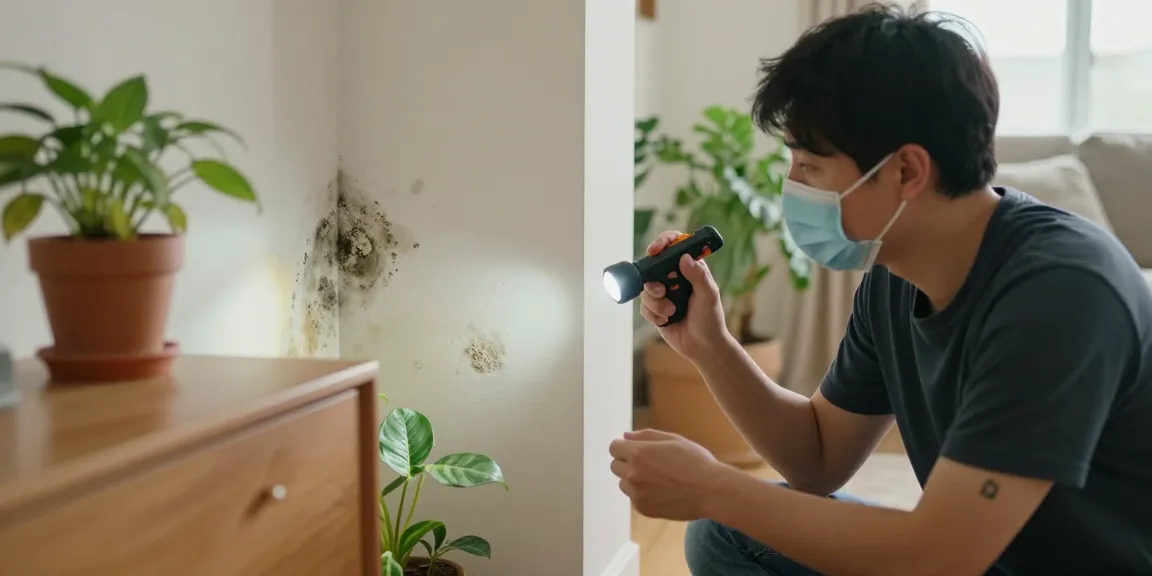
Visible mold often appears as spots of varying colors, generally black, green, or white. Look for mold lurking behind furniture, under sinks, or on walls where moisture is prevalent.
Unusual Odors Indicating Mold Presence
A persistent musty odor can indicate mold growth, even if it is not visible. This smell is a signal that mold is present, often hidden in walls, carpets, or other areas where moisture accumulates.
Health Symptoms from Mold Exposure
Exposure to mold can lead to various health problems, particularly for individuals with allergies, asthma, or weakened immune systems. Symptoms may include coughing, sneezing, respiratory distress, skin irritation, and fatigue. If anyone in your household experiences these symptoms, it might be time to consider professional mold remediation.
The Mold Remediation Process
Step-by-Step Overview of Mold Remediation
- Inspection: A thorough examination of the property to identify visible and hidden mold.
- Containment: Isolating the affected area to prevent the spread of mold spores during cleanup.
- Air Filtration: Utilizing HEPA filters to cleanse the air of airborne particles.
- Mold Removal: Safe removal of mold-infested materials and cleaning of affected surfaces.
- Restoration: Repairs and restoration of the property to return it to its pre-mold condition.
What to Expect During a Mold Inspection?
During a mold inspection, professionals will assess all areas of your property, focusing on high-risk sections such as bathrooms, attics, and basements. They will use tools like moisture meters and thermal imaging to detect hidden moisture and potential mold growth.
Cleaning and Restoration Methods Used
Common cleaning methods involve using antimicrobial chemicals to treat affected areas, while restoration may require repairs to drywall, flooring, and other materials impacted by mold. The restoration plan is tailored based on the extent of the damage and the mold type.
Choosing a Mold Remediation Service
Criteria for Selecting Mold Remediation Experts
When selecting a mold remediation service, consider their certification, experience, and customer reviews. It’s crucial to choose a company that adheres to the standards set by recognized bodies like the IICRC.
Questions to Ask Potential Service Providers
- What certifications does your team hold?
- Can you provide references from previous clients?
- What is your process for mold inspection and removal?
- How do you handle the underlying moisture issues?
- What measures do you take to prevent mold from returning?
Understanding Service Costs in Vancouver
The cost of mold remediation can vary based on factors such as the extent of mold growth, the methods employed, and the size of the affected area. Understanding these factors is essential for budgeting and planning.
Preventing Future Mold Issues
Effective Moisture Control Techniques
Controlling moisture is key to preventing mold growth. This can involve using dehumidifiers, repairing leaks, and ensuring proper ventilation throughout the property. Additionally, homeowners should regularly check areas prone to dampness.
Importance of Regular Inspections
Conducting regular inspections can help identify potential mold issues before they escalate. Engaging professionals for annual assessments ensures that your property remains mold-free.
Building Maintenance Practices to Avoid Mold
- Maintain gutters and downspouts to keep water away from the foundation.
- Ensure all plumbing is in good condition and promptly fix leaks.
- Use vapor barriers in crawl spaces to minimize moisture.
- Install exhaust fans in kitchens and bathrooms to eliminate humidity.
What are the signs that I need mold remediation?
Signs include visible mold, persistent unusual odors, and health symptoms among residents. If you notice these indicators, it is crucial to act quickly to mitigate mold growth.
How can I prevent mold growth in the future?
Preventing mold growth is achievable through effective moisture management, regular property inspections, and the use of mold-resistant materials in susceptible areas.
Can you clean up mold yourself?
While minor mold issues may be addressed with DIY methods, extensive mold growth typically requires professional intervention to ensure complete removal and prevention of future growth.
How long does mold remediation take?
The duration of mold remediation varies based on the severity of the infestation. Minor cases could take just a few hours, while extensive remediation may require several days.
What health problems can mold cause?
Mold exposure can lead to respiratory issues, allergic reactions, fatigue, and other health concerns, particularly in vulnerable populations such as children and the elderly.